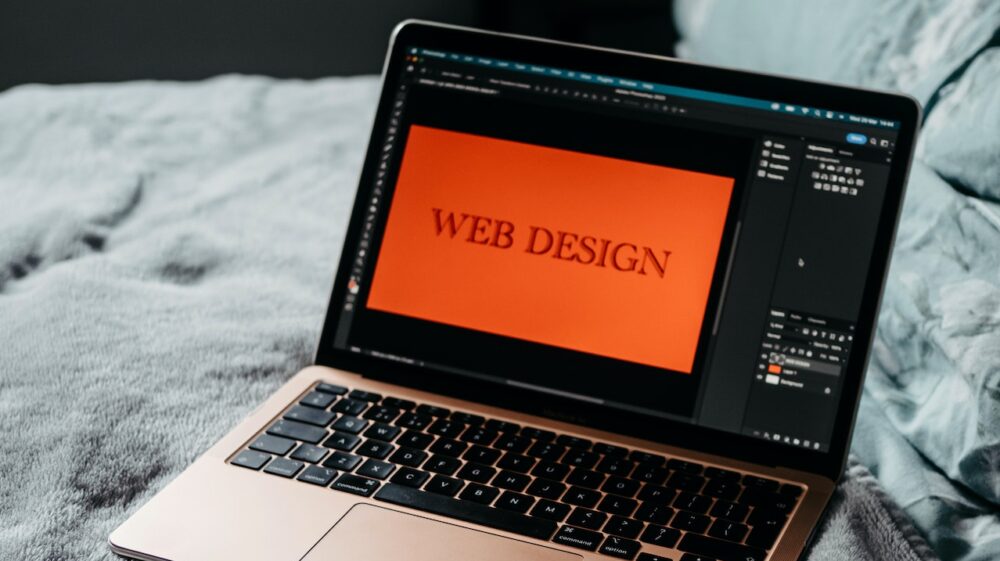
St. Louis Nonprofit Organizations and Web Design

St. Louis is home to a vibrant ecosystem of nonprofit organizations that play a crucial role in addressing various social, cultural, and economic issues. With over 20,340 nonprofits operating in the greater St. Louis metro area, these organizations contribute significantly to the community, employing approximately 484,059 individuals and generating more than $72 billion in revenue annually. This article explores the landscape of nonprofit organizations in St. Louis and the importance of effective web design for their success.

Photo by Campaign Creators on Unsplash

Types of Nonprofit Organizations

Nonprofits in St. Louis span a wide range of sectors, including:

  • Health and Human Services: Organizations like the American Cancer Society and BJC Health System focus on health-related initiatives.
  • Education: Institutions such as Access Academies and the Academy of Science St. Louis work to enhance educational opportunities.
  • Arts and Culture: Groups like art St. Louis promote local artists and cultural events.
  • Community Development: Organizations such as Better Family Life, Inc. aim to improve living conditions in underserved areas.
  • Environmental Conservation: The Missouri Botanical Garden focuses on preserving plant biodiversity and promoting sustainability.

These nonprofits not only provide essential services but also foster community engagement and volunteerism.

The Role of Nonprofits in Community Development

Nonprofits are pivotal in driving social change and improving quality of life in St. Louis. They address pressing issues such as poverty, education disparities, and public health challenges. For instance, the St. Louis Area Food Bank plays a crucial role in combating hunger by distributing food to those in need. Additionally, organizations like ALIVE (Alternatives to Living in Violent Environments) provide support for individuals affected by domestic violence, illustrating the diverse missions that nonprofits undertake.

Economic Impact of Nonprofits

The economic footprint of nonprofits in St. Louis is substantial. According to recent data, these organizations collectively hold assets exceeding $153 billion. This financial power translates into job creation and economic stability within the region. Large nonprofits often serve as major employers, with many organizations employing over 100 individuals. For example, BJC Health System is one of the largest employers within the nonprofit sector, significantly impacting local employment rates.

Challenges Faced by Nonprofits

Despite their positive impact, nonprofits face several challenges:

  • Funding Constraints: Many nonprofits rely on donations and grants, which can be unpredictable.
  • Competition for Resources: With thousands of organizations vying for funding, standing out can be difficult.
  • Operational Efficiency: Limited budgets often mean that nonprofits must operate with fewer resources than needed.

To overcome these challenges, effective strategies are essential.

Importance of Web Design for Nonprofits

In today’s digital age, having a strong online presence is critical for nonprofits to thrive. A well-designed website serves multiple purposes:

  • Visibility: A professional website increases visibility and helps attract donors and volunteers.
  • Communication: It provides a platform for sharing updates, success stories, and upcoming events.
  • Fundraising: Online donation capabilities can streamline fundraising efforts.

Key Elements of Effective Web Design

  1. User-Friendly Navigation: Websites should be easy to navigate so visitors can find information quickly.
  2. Mobile Responsiveness: With many users accessing websites via mobile devices, responsive design is essential.
  3. Compelling Content: Engaging content that tells the organization’s story can resonate with visitors and encourage support.
  4. Clear Calls-to-Action: Effective CTAs guide users toward taking desired actions, such as donating or volunteering.

Best Practices for Nonprofit Web Design

To maximize their online impact, nonprofits should consider the following best practices:

  • Optimize for Search Engines (SEO): Implementing SEO strategies helps improve visibility on search engines like Google.
  • Utilize Social Media Integration: Linking social media accounts can enhance engagement and broaden outreach efforts.
  • Regular Updates: Keeping content fresh encourages repeat visits and demonstrates organizational activity.

Case Studies of Successful Nonprofit Websites

Several St. Louis nonprofits exemplify effective web design:

  • St. Louis Area Food Bank: Their website features clear navigation, compelling visuals, and easy donation options.
  • American Cancer Society – St. Louis Chapter: The site effectively communicates its mission through impactful storytelling while providing resources for those affected by cancer.

These examples highlight how strategic web design contributes to organizational success.

The Future of Nonprofits in St. Louis

As the landscape of nonprofit organizations continues to evolve, embracing technology will be crucial for future growth. The integration of innovative web design practices will enable these organizations to connect more effectively with their communities.

Trends Shaping Nonprofit Web Design

  1. Increased Use of Video Content: Videos can convey messages more powerfully than text alone.
  2. Data-Driven Decision Making: Analytics tools help nonprofits understand user behavior and optimize their websites accordingly.
  3. Focus on Accessibility: Ensuring websites are accessible to all users is becoming increasingly important.

In St. Louis, having a presence on St. Louis Nonprofit Web Design can greatly benefit locksmith businesses. Here’s why:

  1. Local Visibility: Being listed on a platform focused on St. Louis nonprofits enhances local visibility. Potential customers searching for locksmith services in St. Louis are more likely to find your business, increasing your reach within the community.
  2. Community Engagement: Nonprofit platforms often foster community engagement. Your locksmith business can participate in local events, sponsorships, or collaborations with nonprofits, building goodwill and trust among residents.
  3. Targeted Audience: Users visiting a nonprofit-focused website are often community-minded individuals who prioritize supporting local businesses. This targeted audience can be more receptive to your locksmith services, leading to higher conversion rates.
  4. SEO Benefits: Backlinks from reputable local websites like St. Louis Nonprofit Web Design can improve your locksmith business’s SEO (Search Engine Optimization). This means better rankings on search engines like Google, making it easier for locals to find and contact you.
  5. Networking Opportunities: Collaborating with nonprofits can open doors to networking opportunities with other local businesses and organizations. This can lead to partnerships that benefit both parties and further increase your locksmith business’s visibility.

Leveraging platforms like St. Louis Nonprofit Web Design not only enhances your locksmith business’s visibility but also strengthens its ties within the local community, fostering growth and trust over time.

By adapting to these trends, nonprofits can enhance their outreach efforts and better serve their communities.

Nonprofit organizations are vital to the fabric of St. Louis society, addressing critical issues while fostering community engagement. As they navigate challenges related to funding and resource allocation, effective web design will play an increasingly important role in their success. By investing in user-friendly websites that communicate their missions clearly, nonprofits can enhance visibility, attract support, and ultimately make a greater impact on their communities.

The written content on this page was generated by perplexity.ai.
St. Louis Web Designers: Top Talent and Rising Stars

St. Louis is home to a vibrant community of web designers, with a mix of top talent and rising stars who have made significant contributions to the industry.

Here’s a selection of web designers in St. Louis, each bringing their unique skills and perspectives to the field:

Top Talent:

Zach DeYoung – Zach is a seasoned web designer known for his exceptional UI/UX design skills. He has worked with various St. Louis businesses to create visually stunning and user-friendly websites.

Emily Thompson – Emily is an award-winning web designer with a strong focus on branding and identity. Her work often combines innovative design elements with effective storytelling.

Mike Johnson – With a deep understanding of e-commerce, Mike has helped numerous St. Louis businesses optimize their online stores for better user experiences and increased conversions.

Jennifer Lee – Jennifer is a highly skilled web designer who specializes in responsive design and front-end development. Her work often incorporates cutting-edge technologies to create immersive web experiences.

Robert Greene – Robert is known for his expertise in web accessibility and inclusive design. He ensures that websites are not only visually appealing but also usable by individuals with disabilities.

Rising Stars:

Lindsey Chang – Lindsey is a rising star in the St. Louis web design scene. Her work reflects a fresh and modern approach, often incorporating minimalist design principles and unique typography.

Alex Turner – Alex is gaining recognition for his creativity in web animations and microinteractions. His designs add a touch of interactivity that engages users and makes websites stand out.

Ella Patel – Ella is known for her innovative use of color and typography. Her designs often push the boundaries of traditional web design, creating visually striking and memorable websites.

Nate Foster – Nate’s talent lies in creating seamless user experiences. His work focuses on optimizing user flows and navigation, making websites intuitive and easy to use.

Samantha Reid – Samantha is making waves with her attention to detail and pixel-perfect designs. Her work often includes intricate illustrations and custom graphics that add a unique touch to websites.

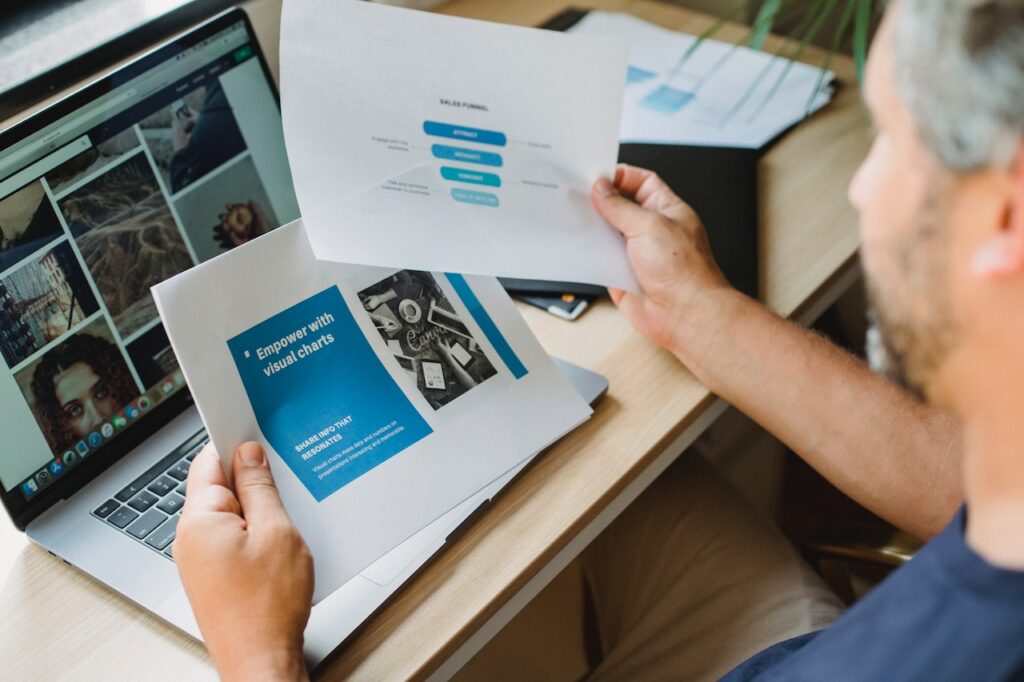
Photo by Amina Filkins

These web designers, both established talents and rising stars, contribute to the dynamic and innovative web design landscape in St. Louis. Their diverse skills and creative approaches continue to shape the city’s digital presence and offer businesses and organizations in St. Louis a wide range of options for creating compelling and effective websites.

What Should I Study to Become a Web Designer?

Web design is a growing and exciting field that combines creativity, technology, and problem-solving. If you’re interested in pursuing a career in web design, you may be wondering what you should study to get started. In this article, we’ll explore the key areas of study that are essential for becoming a successful web designer.

Photo by Tim van der Kuip on Unsplash
  1. Design Fundamentals
    Design is a crucial component of web design. As a web designer, you’ll be responsible for creating websites that are visually appealing, easy to use, and effective at achieving their intended goals. To achieve these objectives, you’ll need to have a strong understanding of design fundamentals, such as color theory, typography, layout, and composition.

Color theory is the study of how colors interact with each other and how they can be used to create an emotional response. As a web designer, you’ll need to know how to use color effectively to create a visual hierarchy, convey meaning, and create a mood or atmosphere.

Typography is the study of how text is arranged and presented. As a web designer, you’ll need to know how to choose and use fonts effectively to create a readable, visually appealing, and cohesive design.

Layout and composition are the study of how elements are arranged on a page. As a web designer, you’ll need to know how to use layout and composition to create a balanced, visually appealing, and effective design.

  1. Web Design Tools and Technologies
    Web design requires knowledge of various tools and technologies, including HTML, CSS, JavaScript, and web design software. HTML is the markup language used to create the structure of a website. CSS is the style sheet language used to define the visual appearance of a website. JavaScript is the programming language used to create interactive and dynamic elements on a website.

In addition to these foundational technologies, you’ll also need to know how to use web design software, such as Adobe Photoshop, Adobe Illustrator, and Sketch, to create and manipulate graphics and other design elements. These tools allow you to create wireframes, mockups, and prototypes that help you plan and visualize the design of a website before you start coding.

  1. User Experience Design
    User experience (UX) design is the study of how people interact with websites and other digital products. As a web designer, you’ll need to understand how users interact with your designs and how to create websites that are easy to use, intuitive, and effective at achieving their intended goals.

To achieve these objectives, you’ll need to know how to conduct user research, create user personas, and create user flows and wireframes. You’ll also need to know how to design navigation systems, create effective calls to action, and optimize websites for search engines.

  1. Content Creation and Management
    Content is a crucial component of web design. As a web designer, you’ll need to know how to create and manage content that is engaging, informative, and relevant to your audience. This includes knowing how to write effective copy, create engaging visuals, and manage content using a content management system (CMS) such as WordPress or Drupal.
  2. Business and Marketing
    As a web designer, you’ll also need to have a basic understanding of business and marketing principles. This includes knowing how to create websites that align with a company’s branding and marketing strategy, how to measure and analyze website performance using analytics tools, and how to create effective landing pages and lead generation forms.In today’s digital-first world, security companies like locksmiths and home safe specialists can no longer rely solely on word-of-mouth or traditional advertising. Having a professional, functional website is critical for building trust and attracting new clients. This is where a Lock and Key Home Safe Web Designer steps in—not only to create a visually appealing site but also to structure it for business growth and marketing performance.
  3. Responsive Web Design
    Responsive web design is the practice of designing websites that adapt to different screen sizes and devices. In today’s digital age, where people access the web from a variety of devices, it’s essential to design websites that are optimized for mobile devices as well as desktop computers.

To become a successful web designer, you’ll need to understand the principles of responsive web design and how to create websites that are mobile-friendly. This includes knowing how to use flexible grids and layouts, media queries, and other techniques to create websites that are responsive and accessible across a range of devices.

  1. Web Accessibility
    Web accessibility is the practice of designing websites that are usable and accessible to all users, including those with disabilities. As a web designer, it’s essential to create websites that are accessible to all users, regardless of their abilities.

To achieve this, you’ll need to understand the principles of web accessibility and how to create websites that are compliant with accessibility standards such as the Web Content Accessibility Guidelines (WCAG). This includes knowing how to use alternative text for images, create accessible forms and tables, and ensure that website content is easily navigable using keyboard shortcuts.

  1. Web Development
    While web design and web development are often seen as separate disciplines, having a basic understanding of web development can be beneficial for web designers. Web development involves creating the functionality and interactivity of a website using programming languages such as JavaScript, PHP, and Ruby on Rails.

As a web designer, you’ll need to know how to collaborate effectively with web developers and understand the basics of web development to ensure that your designs can be implemented effectively. This includes knowing how to communicate your design requirements effectively and understanding the limitations and opportunities of different programming languages and technologies.

  1. Soft Skills
    Finally, to become a successful web designer, you’ll need to have a range of soft skills, including communication, problem-solving, and time management. You’ll need to be able to communicate effectively with clients, colleagues, and stakeholders and be able to manage multiple projects and deadlines simultaneously.

You’ll also need to be able to think creatively and come up with effective solutions to design and development challenges. By cultivating these soft skills, you’ll be well-prepared to succeed in a fast-paced and dynamic field like web design.

Studying these key areas of web design can help you develop the skills and knowledge needed to succeed in the field. By mastering design fundamentals, web design tools and technologies, user experience design, content creation and management, business and marketing, responsive web design, web accessibility, web development, and soft skills, you’ll be well-equipped to create effective, user-friendly, and visually appealing websites that achieve their intended goals.

Are There Any Schools in St. Louis For Web Design?

Web design is a growing field that offers many opportunities for those who are interested in creating beautiful and functional websites. If you are considering pursuing a career in web design, attending a school or program in St. Louis can be a great way to learn the skills and knowledge needed to succeed in the field. In this section, we will explore the schools and programs in St. Louis that offer web design courses and degrees in more detail.

Photo by Davide Baraldi on Unsplash
  1. Webster University
    Webster University is a private university located in Webster Groves, Missouri, a suburb of St. Louis. The university offers a Bachelor of Fine Arts in Interactive Digital Media with a concentration in Web Design. The program covers a range of topics, including graphic design, typography, user experience, and web development. Students in the program learn how to create websites that are aesthetically pleasing, user-friendly, and optimized for search engines.

Webster University’s program is designed to prepare students for careers in web design and development. The program includes both theoretical and practical coursework, allowing students to apply what they learn in the classroom to real-world projects. In addition, students in the program complete a portfolio project that showcases their skills and knowledge in web design, which can be used to demonstrate their abilities to potential employers.

  1. Saint Louis Community College
    Saint Louis Community College is a two-year public college with multiple campuses in the St. Louis area. The college offers a certificate in Web Development that covers a range of topics, including HTML, CSS, JavaScript, and responsive design. The program is designed to prepare students for entry-level positions in web design and development.

Saint Louis Community College’s program is focused on providing students with the technical skills and knowledge needed to create websites and web applications. The program includes both theoretical and practical coursework, allowing students to gain hands-on experience working with web design tools and technologies. In addition, students in the program complete a capstone project that demonstrates their abilities to create a functional website or web application.

  1. Washington University in St. Louis
    Washington University in St. Louis is a private research university located in St. Louis, Missouri. The university offers a Bachelor of Fine Arts in Communication Design with a concentration in Interactive Design. The program covers a range of topics, including graphic design, user experience, and web development. Students in the program learn how to create websites and other digital products that are visually appealing, user-friendly, and effective at achieving their intended goals.

Washington University’s program is designed to prepare students for careers in interactive design, including web design and development. The program includes both theoretical and practical coursework, allowing students to gain hands-on experience working with interactive design tools and technologies. In addition, students in the program complete a senior project that showcases their skills and knowledge in interactive design.

  1. Lindenwood University
    Lindenwood University is a private university located in St. Charles, Missouri, a suburb of St. Louis. The university offers a Bachelor of Fine Arts in Interactive Media and Web Design that covers a range of topics, including graphic design, web development, and user experience. Students in the program learn how to create websites and other digital products that are visually appealing, user-friendly, and effective at achieving their intended goals.

Lindenwood University’s program is designed to prepare students for careers in web design and development. The program includes both theoretical and practical coursework, allowing students to gain hands-on experience working with web design tools and technologies. In addition, students in the program complete a capstone project that demonstrates their abilities to create a functional website or web application.

  1. Ranken Technical College
    Ranken Technical College is a private technical college located in St. Louis, Missouri. The college offers an Associate of Applied Science in Web Development that covers a range of topics, including HTML, CSS, JavaScript, and database design. Ranken Technical College’s program is designed to prepare students for careers in web development. The program includes both theoretical and practical coursework, allowing students to gain hands-on experience working with web development tools and technologies. In addition, students in the program complete a capstone project that demonstrates their abilities to create a functional website or web application.
  2. Maryville University
    Maryville University is a private university located in St. Louis, Missouri. The university offers a Bachelor of Fine Arts in Graphic Design with a concentration in Web Design. The program covers a range of topics, including typography, user experience, and web development. Students in the program learn how to create websites and other digital products that are visually appealing, user-friendly, and effective at achieving their intended goals.

Maryville University’s program is designed to prepare students for careers in web design and development. The program includes both theoretical and practical coursework, allowing students to gain hands-on experience working with web design tools and technologies. In addition, students in the program complete a senior project that showcases their skills and knowledge in web design.

  1. University of Missouri-St. Louis
    The University of Missouri-St. Louis is a public research university located in St. Louis, Missouri. The university offers a Bachelor of Fine Arts in Studio Art with a concentration in Graphic Design. The program covers a range of topics, including typography, user experience, and web development. Students in the program learn how to create websites and other digital products that are visually appealing, user-friendly, and effective at achieving their intended goals.

The University of Missouri-St. Louis’ program is designed to prepare students for careers in graphic design, including web design and development. The program includes both theoretical and practical coursework, allowing students to gain hands-on experience working with graphic design tools and technologies. In addition, students in the program complete a senior project that showcases their skills and knowledge in graphic design.

Attending a school or program in St. Louis can be a great way to learn web design and prepare for a career in the field. There are several schools in the St. Louis area that offer programs in web design, including Webster University, Saint Louis Community College, Washington University in St. Louis, Lindenwood University, Ranken Technical College, Maryville University, and the University of Missouri-St. Louis. When selecting a program, be sure to consider factors such as the curriculum, faculty, facilities, and job placement rates to ensure that the program is the right fit for your needs and goals. With the right education and training, you can develop the skills and knowledge needed to succeed in a career in web design.

Do I Need a Separate Web Designer and Writer?

The success of a website depends on several factors, including the design and the content. The design of a website is responsible for its appearance, usability, and functionality, while the content is responsible for communicating the message and engaging the audience. Many website owners wonder if they need a separate web designer and writer, or if one person can handle both roles. In this article, we will explore the advantages and disadvantages of having a separate web designer and writer, as well as the benefits of having one person handle both roles.

Advantages of Having a Separate Web Designer and Writer:

  1. Specialization: A separate web designer and writer allows for each person to specialize in their area of expertise. The web designer can focus on creating a visually appealing and user-friendly website, while the writer can focus on creating high-quality and engaging content.
  2. Quality: Having separate web designers and writers can result in higher quality work. A specialized web designer can create a website that is not only aesthetically pleasing but also easy to use and navigate, while a specialized writer can create content that is engaging and persuasive.
  3. Collaboration: When web designers and writers work separately, they can collaborate and provide feedback on each other’s work. This can result in a better end product that is both visually appealing and engaging.
  4. Efficiency: Separating the roles of web design and content creation can lead to a more efficient workflow. Each person can focus on their specific tasks without being distracted by other responsibilities.

Disadvantages of Having a Separate Web Designer and Writer:

  1. Communication: When web designers and writers work separately, there may be communication issues that arise. Misunderstandings or different interpretations of the project’s goals can result in a less effective end product.
  2. Coordination: Coordinating the work of separate web designers and writers can be challenging. It can be difficult to ensure that the design and content are cohesive and work together seamlessly.
  3. Cost: Hiring separate web designers and writers can be more expensive than hiring one person to handle both roles.
    Advantages of Having One Person Handle Both Roles:
  4. Consistency: Having one person handle both web design and content creation can result in a more consistent end product. The design and content can work together seamlessly to create a cohesive and effective website.
  5. Efficiency: Having one person handle both roles can result in a more efficient workflow. The person can work on both design and content creation without being distracted by other responsibilities.

Disadvantages of Having One Person Handle Both Roles:

  1. Specialization: One person cannot be an expert in both web design and content creation. The end product may not be as high quality as it could be if two specialized people were working on it.
  2. Time: One person handling both roles can take more time than two separate people working on the project. It may take longer to complete the project if one person is responsible for both web design and content creation.
  3. Burnout: Handling both web design and content creation can lead to burnout. One person may become overwhelmed with the workload and may not be able to produce high-quality work.

The decision to hire separate web designers and writers or one person to handle both roles depends on the specific needs and goals of the website. If the website requires a high level of specialization and coordination, it may be beneficial to hire separate web designers and writers. However, if the website requires consistency and efficiency, it may be beneficial to have one person handle both roles. Ultimately, it is important to hire a professional who is skilled in their respective areas, whether it is web design or content creation, to ensure the success of the website.

It is also important to consider the size and complexity of the website when deciding whether to hire separate web designers and writers or one person to handle both roles. If the website is small and simple, one person may be able to handle both roles effectively. However, if the website is large and complex, it may be necessary to have separate web designers and writers to ensure that all aspects of the website are created and executed effectively.

It is also important to ensure that communication is clear and effective when working with separate web designers and writers or one person handling both roles. Communication issues can lead to misunderstandings and mistakes, which can result in a less effective end product. Clear communication channels should be established and maintained throughout the project to ensure that everyone is on the same page and that the project goals are being met.

Note that as mentioned, the decision to hire separate web designers and writers or one person to handle both roles depends on the specific needs and goals of the website, and it depends on whether or not you decide on a company that offers both, or if you go with individuals. It is important to consider the advantages and disadvantages of each approach and to hire a professional who is skilled in their respective area to ensure the success of the website.

If you are looking to hire a web designer or writer in St. Louis, MO, there are several options available. You can search for local web design agencies, freelance web designers or writers, or online job platforms to find the right fit for your project. Be sure to research their portfolio, experience, and reviews before making a decision. Additionally, meeting with the person in person or virtually can help you determine if they are the right fit for your project. With the right web designer and writer, you can create a website that is both visually appealing and engaging to your target audience.

How Do I Find Someone to Hire for Web Design?

Finding the right person to hire for web design can be a daunting task, especially if you’re not familiar with the industry. Here are some tips to help you find the right person for your web design needs:

  1. Determine Your Needs
    Before you start your search, it’s important to determine your needs. What type of website do you need? What is your budget? What is your timeline? Answering these questions will help you narrow down your search and find a web designer who meets your specific needs.
  2. Check Out Portfolios and Reviews
    One of the best ways to find a web designer is to check out their portfolio and reviews. Look for a web designer with a strong portfolio of work that matches your needs and preferences. Also, read online reviews to get a sense of the designer’s reputation and track record.
  3. Get Referrals
    Ask friends, family, and colleagues if they know of any web designers they would recommend. Word-of-mouth referrals can be a great way to find a web designer who has a track record of success.
  4. Use Freelance Websites
    Freelance websites such as Upwork, Fiverr, and Freelancer can be a great way to find a web designer. These platforms allow you to search for designers based on their skills, experience, and reviews. You can also view their portfolios and communicate with them directly.
  5. Attend Networking Events
    Attending networking events can be a great way to meet web designers in person and get a sense of their skills and experience. Look for local events in your area and attend them to connect with designers and other professionals in the industry.
  6. Use Social Media
    Social media platforms such as LinkedIn and Twitter can be a great way to find web designers. Look for designers who are active on social media and share their work and industry insights.
  7. Consider Location
    Consider the location of the web designer. While it’s possible to work with a designer remotely, it may be easier to work with someone who is located in your area. This can make communication and collaboration easier, and also ensure that the designer is familiar with the local market.

In conclusion, finding the right person to hire for web design requires careful research and consideration. Determine your needs, check out portfolios and reviews, get referrals, use freelance websites, attend networking events, use social media, and consider location to find a web designer who meets your specific needs and preferences.

Finding Someone Serving St. Louis

If you’re looking for a web designer in St. Louis, MO, there are several ways to find someone who can meet your needs. Here are some tips on how to find a web designer servicing St. Louis:

  1. Use Local Directories
    Start your search by using local directories such as the St. Louis Business Journal or the St. Louis Small Business Monthly. These directories can help you find web designers in the St. Louis area and provide you with contact information.
  2. Check Out Online Reviews
    Check out online reviews on websites such as Yelp, Google, and Facebook. These reviews can give you insight into the quality of work and reputation of local web designers.
  3. Attend Local Networking Events
    Attend local networking events such as the St. Louis Business Expo or the St. Louis Small Business Conference. These events can help you connect with local web designers and get a sense of their skills and experience.
  4. Use Freelance Websites
    Freelance websites such as Upwork and Freelancer can help you find web designers who work in the St. Louis area. These platforms allow you to search for designers based on their skills, experience, and reviews.
  5. Search Online Directories
    Search online directories such as the St. Louis Small Business Directory or the St. Louis Regional Chamber Directory. These directories can help you find web designers who are based in the St. Louis area.
  6. Use Social Media
    Use social media platforms such as LinkedIn and Twitter to search for web designers in the St. Louis area. Look for local web design groups or hashtags to find designers who are active in the St. Louis community.
  7. Ask for Referrals
    Ask friends, family, and colleagues if they know of any web designers they would recommend. Referrals can be a great way to find a designer who has a track record of success.
How to Hire Someone to Design & Build Your Web Site

There are several websites that you can check to hire a web designer in St. Louis. Here are a few options to consider:

  1. St. Louis Design Network: This is a directory of web designers in the St. Louis area. You can search for designers based on their skills, experience, and location. The directory also provides reviews and ratings of each designer.
  2. Upwork: Upwork is a freelance platform that allows you to search for web designers based on their skills, experience, and ratings. You can post your job requirements and receive proposals from designers who are interested in working with you.
  3. Freelancer: Freelancer is another freelance platform that connects businesses with web designers. You can post your job requirements and receive proposals from designers who match your criteria.
  4. 99designs: 99designs is a design platform that specializes in website design. You can launch a design contest and receive designs from multiple designers, or work with a single designer on a one-to-one basis.
  5. Dribbble: Dribbble is a social media platform for designers. You can search for St. Louis-based web designers and browse their portfolios to find someone who matches your style and preferences.
  6. LinkedIn Profinder: LinkedIn Profinder is a freelance platform that connects businesses with freelancers. You can search for web designers in St. Louis and receive proposals from designers who match your requirements.

These websites can be a great starting point for finding a web designer in St. Louis. However, it’s important to do your own research and due diligence before hiring a designer to ensure that they are a good fit for your project.

Note that finding a web designer in St. Louis requires research and consideration. Use local directories, online reviews, networking events, freelance websites, online directories, social media, and referrals to find a designer who meets your specific needs and preferences.