St. Louis is home to a vibrant ecosystem of nonprofit organizations that play a crucial role in addressing various social, cultural, and economic issues. With over 20,340 nonprofits operating in the greater St. Louis metro area, these organizations contribute significantly to the community, employing approximately 484,059 individuals and generating more than $72 billion in revenue annually. This article explores the landscape of nonprofit organizations in St. Louis and the importance of effective web design for their success.

Types of Nonprofit Organizations
Nonprofits in St. Louis span a wide range of sectors, including:
- Health and Human Services: Organizations like the American Cancer Society and BJC Health System focus on health-related initiatives.
- Education: Institutions such as Access Academies and the Academy of Science St. Louis work to enhance educational opportunities.
- Arts and Culture: Groups like art St. Louis promote local artists and cultural events.
- Community Development: Organizations such as Better Family Life, Inc. aim to improve living conditions in underserved areas.
- Environmental Conservation: The Missouri Botanical Garden focuses on preserving plant biodiversity and promoting sustainability.
These nonprofits not only provide essential services but also foster community engagement and volunteerism.
The Role of Nonprofits in Community Development
Nonprofits are pivotal in driving social change and improving quality of life in St. Louis. They address pressing issues such as poverty, education disparities, and public health challenges. For instance, the St. Louis Area Food Bank plays a crucial role in combating hunger by distributing food to those in need. Additionally, organizations like ALIVE (Alternatives to Living in Violent Environments) provide support for individuals affected by domestic violence, illustrating the diverse missions that nonprofits undertake.
Economic Impact of Nonprofits
The economic footprint of nonprofits in St. Louis is substantial. According to recent data, these organizations collectively hold assets exceeding $153 billion. This financial power translates into job creation and economic stability within the region. Large nonprofits often serve as major employers, with many organizations employing over 100 individuals. For example, BJC Health System is one of the largest employers within the nonprofit sector, significantly impacting local employment rates.
Challenges Faced by Nonprofits
Despite their positive impact, nonprofits face several challenges:
- Funding Constraints: Many nonprofits rely on donations and grants, which can be unpredictable.
- Competition for Resources: With thousands of organizations vying for funding, standing out can be difficult.
- Operational Efficiency: Limited budgets often mean that nonprofits must operate with fewer resources than needed.
To overcome these challenges, effective strategies are essential.
Importance of Web Design for Nonprofits
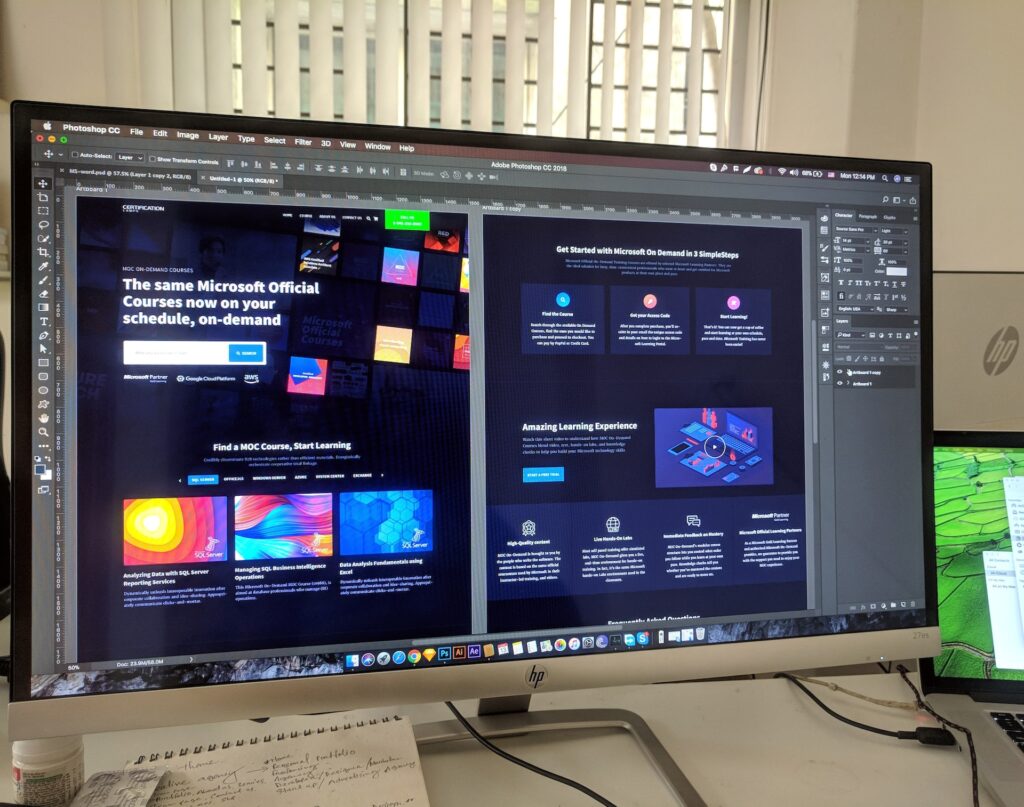
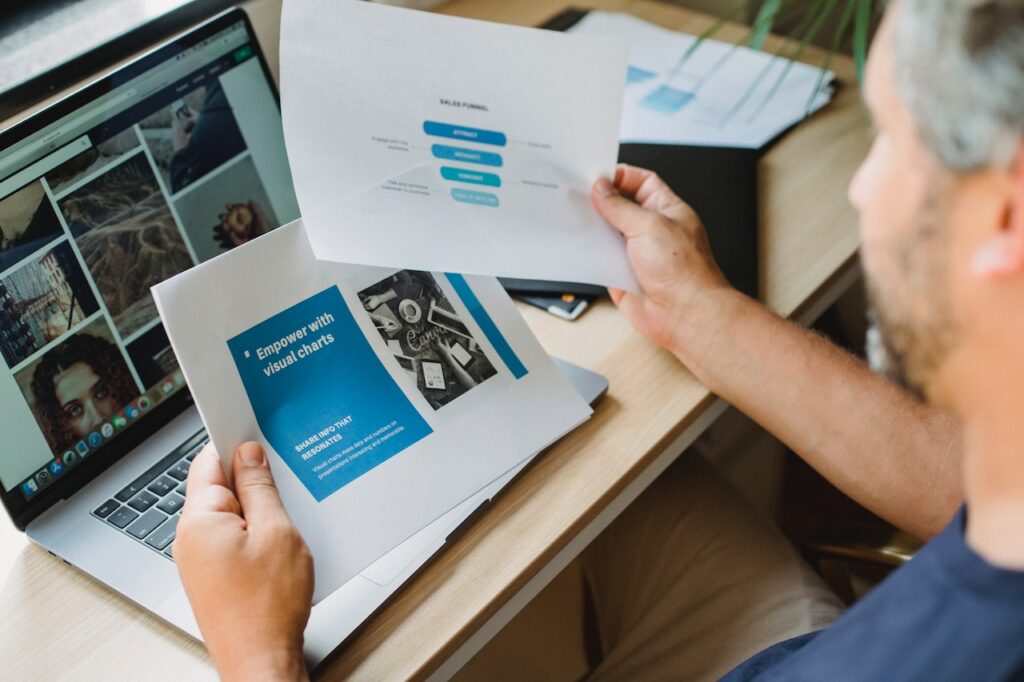
In today’s digital age, having a strong online presence is critical for nonprofits to thrive. A well-designed website serves multiple purposes:
- Visibility: A professional website increases visibility and helps attract donors and volunteers.
- Communication: It provides a platform for sharing updates, success stories, and upcoming events.
- Fundraising: Online donation capabilities can streamline fundraising efforts.
Key Elements of Effective Web Design
- User-Friendly Navigation: Websites should be easy to navigate so visitors can find information quickly.
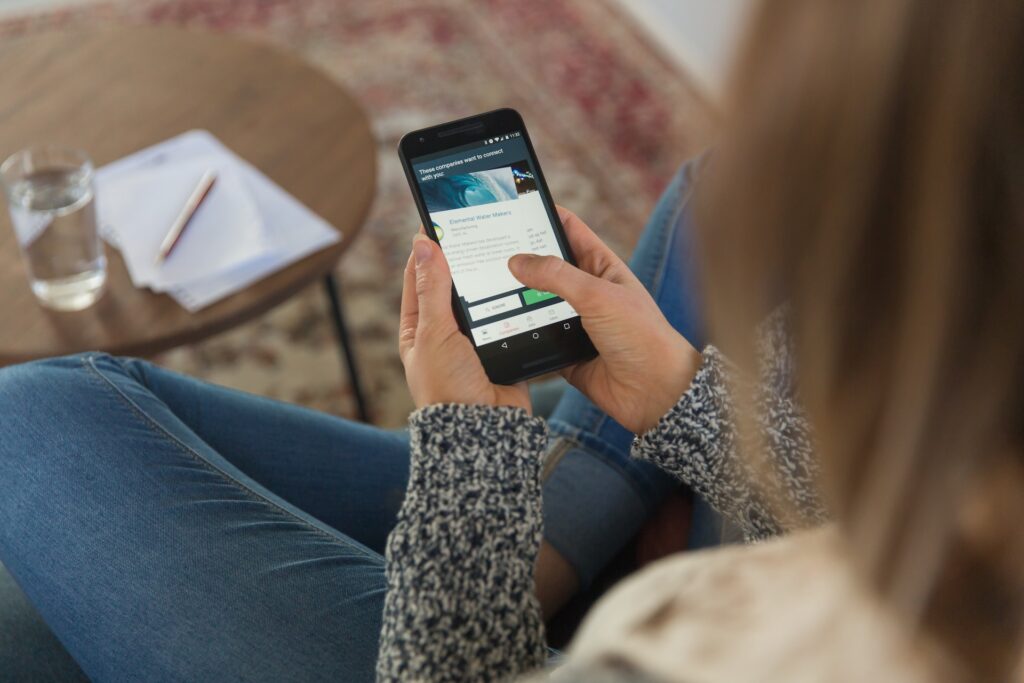
- Mobile Responsiveness: With many users accessing websites via mobile devices, responsive design is essential.
- Compelling Content: Engaging content that tells the organization’s story can resonate with visitors and encourage support.
- Clear Calls-to-Action: Effective CTAs guide users toward taking desired actions, such as donating or volunteering.
Best Practices for Nonprofit Web Design
To maximize their online impact, nonprofits should consider the following best practices:
- Optimize for Search Engines (SEO): Implementing SEO strategies helps improve visibility on search engines like Google.
- Utilize Social Media Integration: Linking social media accounts can enhance engagement and broaden outreach efforts.
- Regular Updates: Keeping content fresh encourages repeat visits and demonstrates organizational activity.
Case Studies of Successful Nonprofit Websites
Several St. Louis nonprofits exemplify effective web design:
- St. Louis Area Food Bank: Their website features clear navigation, compelling visuals, and easy donation options.
- American Cancer Society – St. Louis Chapter: The site effectively communicates its mission through impactful storytelling while providing resources for those affected by cancer.
These examples highlight how strategic web design contributes to organizational success.
The Future of Nonprofits in St. Louis
As the landscape of nonprofit organizations continues to evolve, embracing technology will be crucial for future growth. The integration of innovative web design practices will enable these organizations to connect more effectively with their communities.
Trends Shaping Nonprofit Web Design
- Increased Use of Video Content: Videos can convey messages more powerfully than text alone.
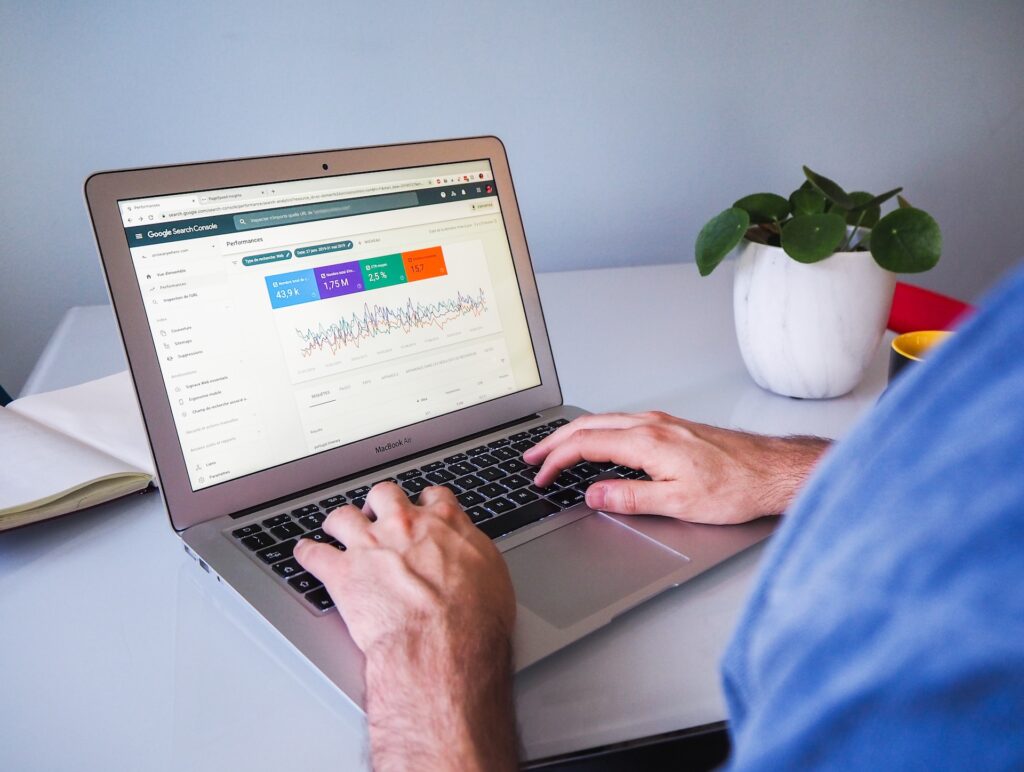
- Data-Driven Decision Making: Analytics tools help nonprofits understand user behavior and optimize their websites accordingly.
- Focus on Accessibility: Ensuring websites are accessible to all users is becoming increasingly important.
In St. Louis, having a presence on St. Louis Nonprofit Web Design can greatly benefit locksmith businesses. Here’s why:
- Local Visibility: Being listed on a platform focused on St. Louis nonprofits enhances local visibility. Potential customers searching for locksmith services in St. Louis are more likely to find your business, increasing your reach within the community.
- Community Engagement: Nonprofit platforms often foster community engagement. Your locksmith business can participate in local events, sponsorships, or collaborations with nonprofits, building goodwill and trust among residents.
- Targeted Audience: Users visiting a nonprofit-focused website are often community-minded individuals who prioritize supporting local businesses. This targeted audience can be more receptive to your locksmith services, leading to higher conversion rates.
- SEO Benefits: Backlinks from reputable local websites like St. Louis Nonprofit Web Design can improve your locksmith business’s SEO (Search Engine Optimization). This means better rankings on search engines like Google, making it easier for locals to find and contact you.
- Networking Opportunities: Collaborating with nonprofits can open doors to networking opportunities with other local businesses and organizations. This can lead to partnerships that benefit both parties and further increase your locksmith business’s visibility.
Leveraging platforms like St. Louis Nonprofit Web Design not only enhances your locksmith business’s visibility but also strengthens its ties within the local community, fostering growth and trust over time.
By adapting to these trends, nonprofits can enhance their outreach efforts and better serve their communities.
Nonprofit organizations are vital to the fabric of St. Louis society, addressing critical issues while fostering community engagement. As they navigate challenges related to funding and resource allocation, effective web design will play an increasingly important role in their success. By investing in user-friendly websites that communicate their missions clearly, nonprofits can enhance visibility, attract support, and ultimately make a greater impact on their communities.
The written content on this page was generated by perplexity.ai.